
Iowa, Slavery, & The Underground Railroad.
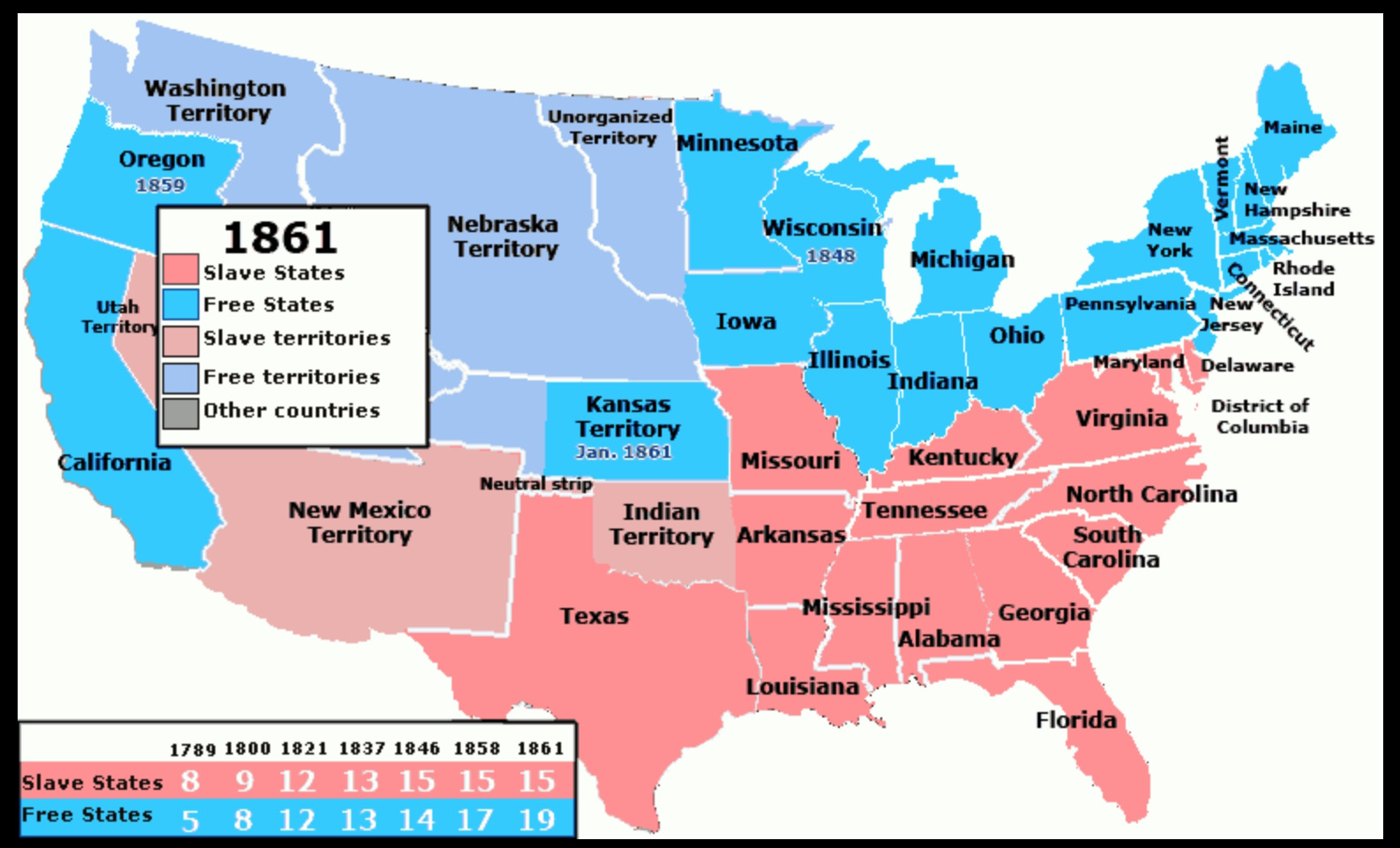
Did you know, in 1846, when Iowa became the 29th state in the Union, legislators in Washington DC who wanted slavery to continue insisted that if Iowa was to be admitted as the 29th state, which certainly would become a “free state” based on our state’s constitution, then a “slave state” must be brought in as well. That’s why Florida entered the Union around the same time as Iowa, keeping the balance of power equal in the U.S. Senate.
Beginning in 1830, The Underground Road became an organized system for helping escaped slaves from the southern states reach freedom in the North. Since steam engines were the newest and most modern means of travel, the name soon transitioned into The Underground Railroad, with those who kept “safe houses” for freedom-seekers becoming “station agents,” those who guided slaves from one point to another ”conductors,” while the men, women, and children who were escaping were “passengers.”
Samuel J. Kirkwood was probably one the better known abolitionists throughout the state. Iowa’s Civil War governer, Kirkwood was nominated in 1859 and defeated Augustus C. Dodge after a bitter campaign which focused on the slavery issue. In 1860, Kirkwood’s first year in office, the John Brown raid on Harpers Ferry (1859) further polarized the nation over slavery, and Kirkwood was clearly on the side of the militant abolitionists. When Barclay Coppock, a youth from Springdale, who was part of Brown’s raid, fled to Iowa, Kirkwood refused to accept extradition papers for him from Virginia, and allowed Coppock to escape.
READ MORE ABOUT THIS IOWA STORY HERE
Did you know? is an Our Iowa Heritage blog series that offers you a little bit of Iowa trivia from a large selection of stories on our website. Subscribe to this FREE blog and you’ll get a new email from us every Monday – Wednesday – Friday.
Join us for Our Iowa Heritage blog posts.
Learn some historical facts about Iowa City, Johnson County, or Eastern Iowa.
Amaze your friends.